-
In the UK annually there are approximately 200 fire-related deaths. The majority of these occur within the home between 10 pm and 6 am when people are asleep.
-
There are about 37,000 house fires a year in the UK, the majority of which are caused by electrical equipment misuse, mainly cooking appliances.
-
In the year to Sept 2018, 38% of battery-operated smoke alarms did not sound during a fire. The biggest cause? Missing, flat or disconnected batteries.
-
You only have minutes to escape from a house fire – every second counts!
-
Smoke alarms give you advance warning of fire, which results in giving you more time to react. Having a working smoke alarm has been associated with lower casualty rates and reduced damage to your home.
-
With a working smoke alarm, you are 4 times more likely to survive.
Tag: fire risk assessment West Yorkshire
Charging Electrical Items Overnight
Further to last week’s blog post, we have found a video highlighting the hazards of charging electrical items overnight.
Wherever possible, charging your devices should be undertaken whilst you are present in case anything should go wrong. Using the branded charging plug helps to reduce risk, and workplaces should strongly consider PAT testing to ensure that all devices are safe for use. No method is fool-proof, but these two measures can help to reduce risk.
Have a good weekend!
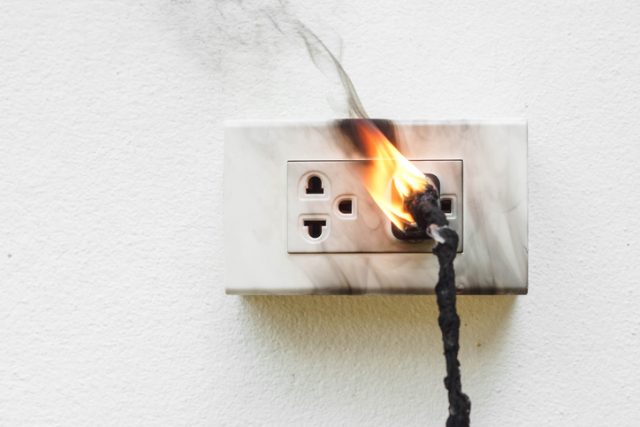
Charging Electrical Items: An Unexpected Fire Hazard
When conducting a fire risk assessment, identifying potential sources of ignition is one aspect that is equally applicable to the work or the home environment.
Charging electrical items is an everyday task that does not involve much thought. Unfortunately, this is a process that often has unpleasant results.
There have been a number of fires in recent years caused by charging electrical items. The cause may be due to the use of non-manufacturer supplied chargers or simply a fault in the equipment itself but the end result could be a fire that severely damages your workplace or home.
The answer to the problem is relatively simple: where possible always use manufacturer supplied chargers, don’t overload your electrical sockets and, if using an extension cord, ensure it meets the relevant British standard.
Be aware of your battery levels and plan when you might need to recharge your appliance. Ensure you will be around when you charge your electrical items, then, if anything happens, you can be on hand to deal with it.

Notre Dame
Planning is one of the keys to good fire safety as was demonstrated by the events in Paris a month ago with the fire that broke out at Notre Dame Cathedral. I visited last week and saw it first hand.
On the surface, the incident appears to be a disaster with hundreds of millions of pounds worth of damage but without the risk assessments and pre-planned salvage exercises and drills, it could have been far worse.
Your business provides an income and livelihood for yourself, your family and maybe a number of employees so reviewing your policies and procedures on a regular basis is not only a legal requirement it’s to protect the important things.
Fire Risk Assessment for Sheltered Housing Project
We carried out an interesting Fire risk assessment a few weeks ago for the manager of a sheltered housing project. They had been served with an action plan notice by South Yorkshire Fire and Rescue.
The residents live independently in their own flat within the house, they have the facility to do some light cooking but are provided with all their meals in the communal dining room.
Referencing the specialist housing guide we provided a person-centered fire risk assessment which addressed the issues raised by the fire authority and helped the responsible person clearly identify how to stay compliant in the future.
As always stay safe and have a good bank holiday weekend.
 Ingle & Ingle Fire Safety Consultancy